By Karla Henson
A Journey Through the Kingdom of Wonder
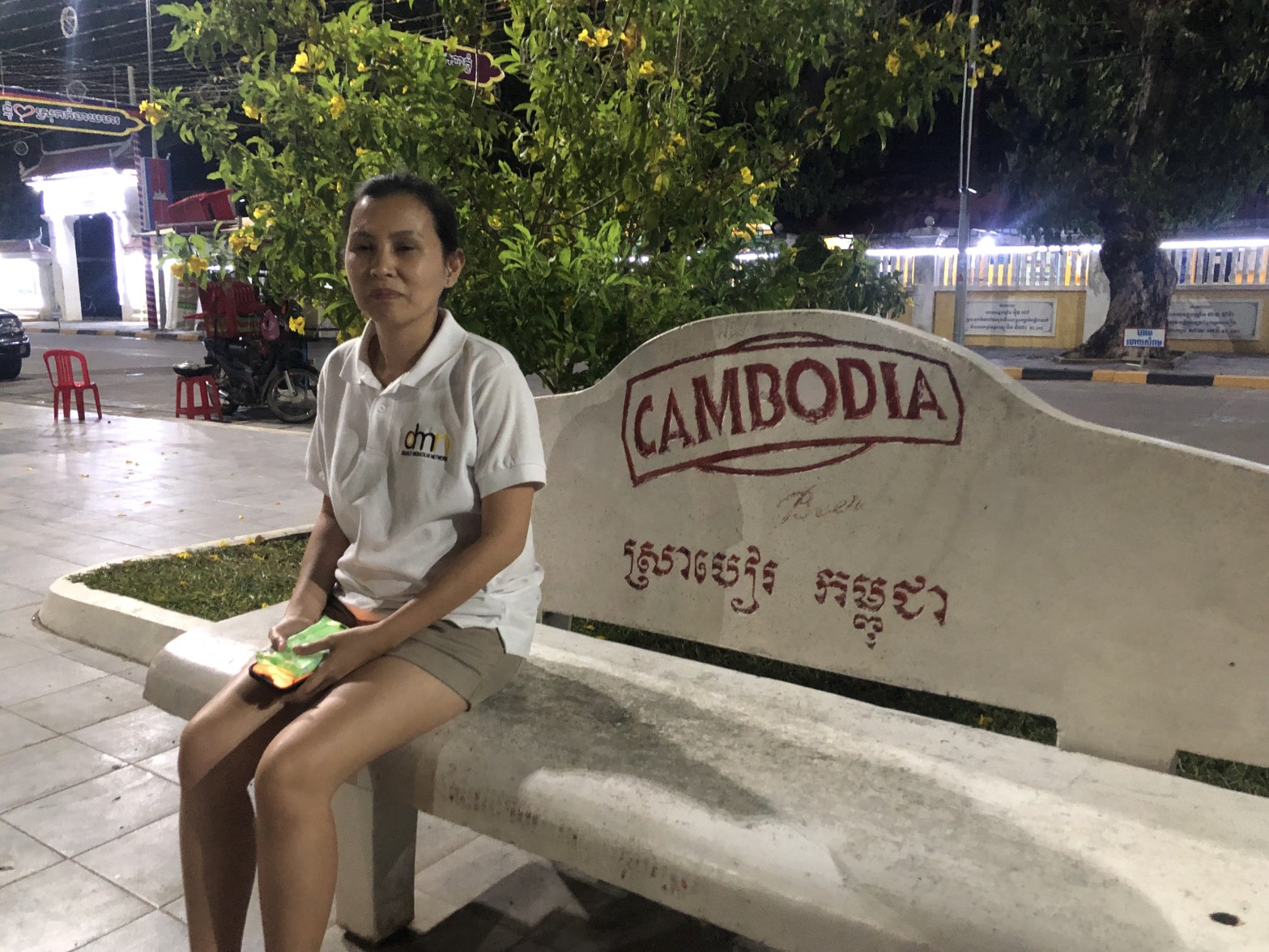
The December night air in Cambodia greeted us with warmth as we stepped off the plane in Phnom Penh, the nation’s bustling capital. Our arrival marked the beginning of a mission that was both professional and deeply personal: to understand and document the stories of persons with disabilities who have embarked on the challenging journey of labour migration. But as the days unfolded, Cambodia offered us more than just research insights; it revealed a vibrant blend of landscapes, culture, and family.
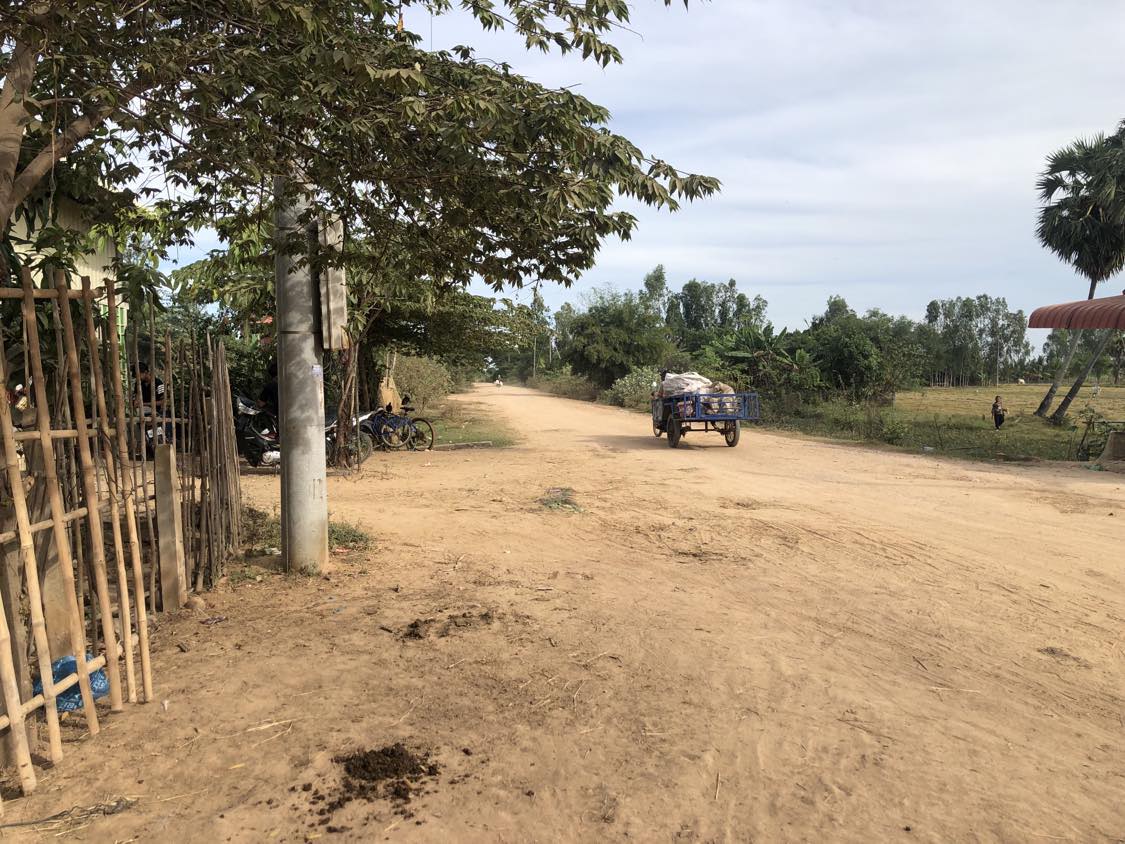
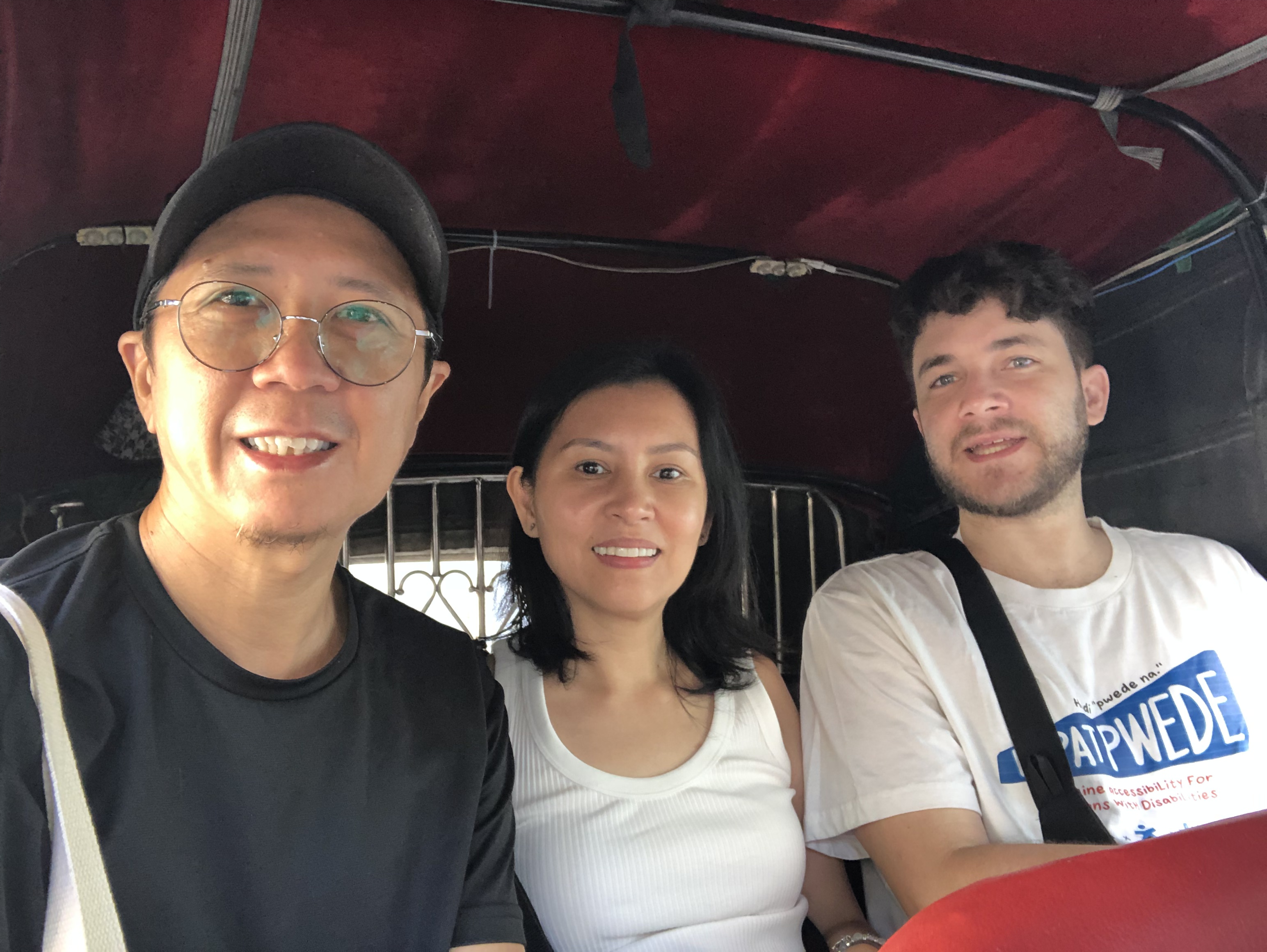
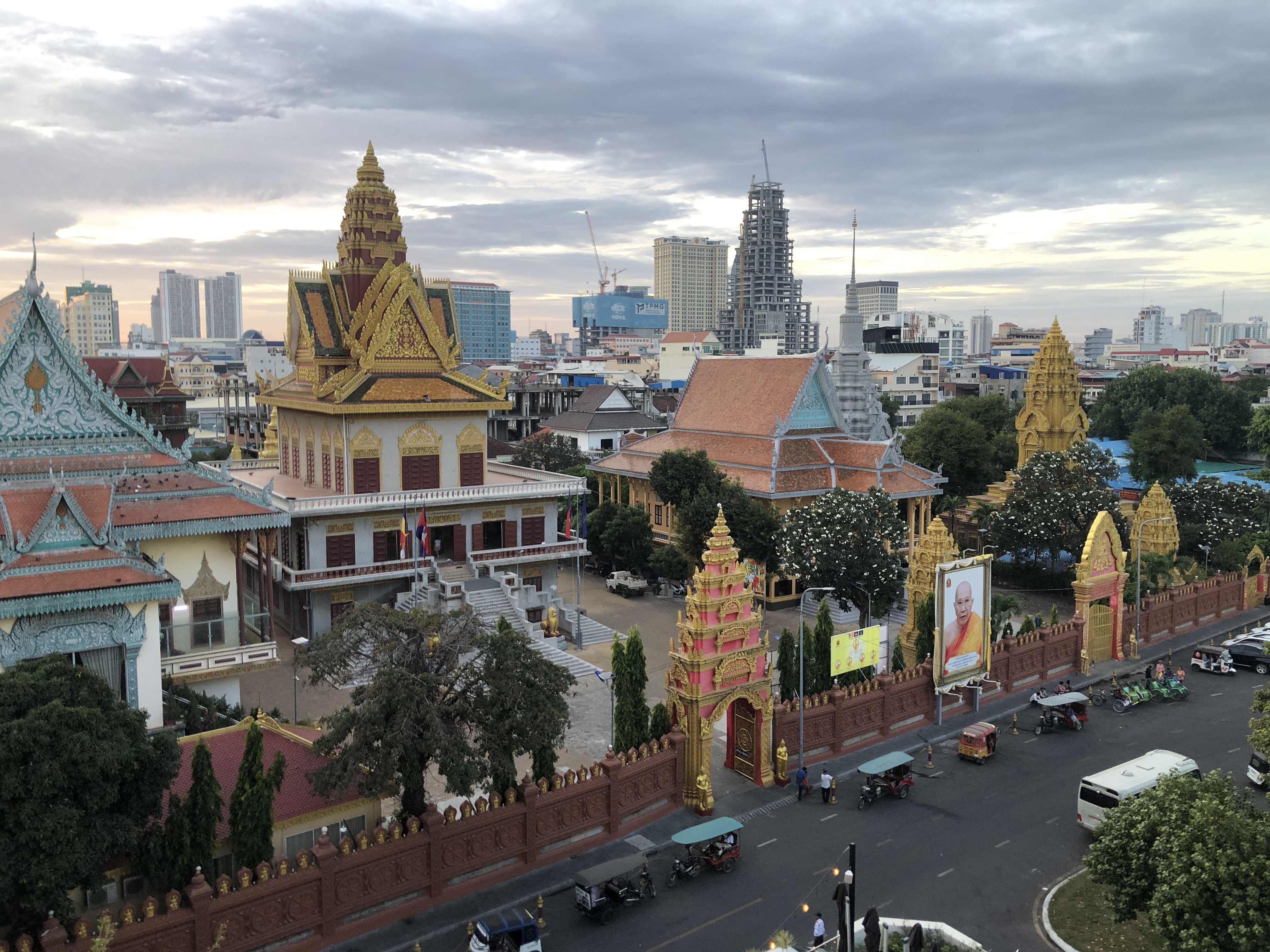
Cambodia is often called the “Kingdom of Wonder,” and it’s easy to see why. Its expansive fields, free-roaming farm animals, and tranquil rural charm stood in stark contrast to the crowded streets and heavy traffic of Manila, where we’re from. Driving through the countryside, we marveled at the simplicity of life—and occasionally dodged farm animals. One tiny chicken even gave me a not-so-friendly peck, while a duck decided to test its bravery by terrorizing me. Despite these minor skirmishes with the local creatures, the peace and space of Cambodia were refreshing, a world away from the packed urban chaos we were used to.

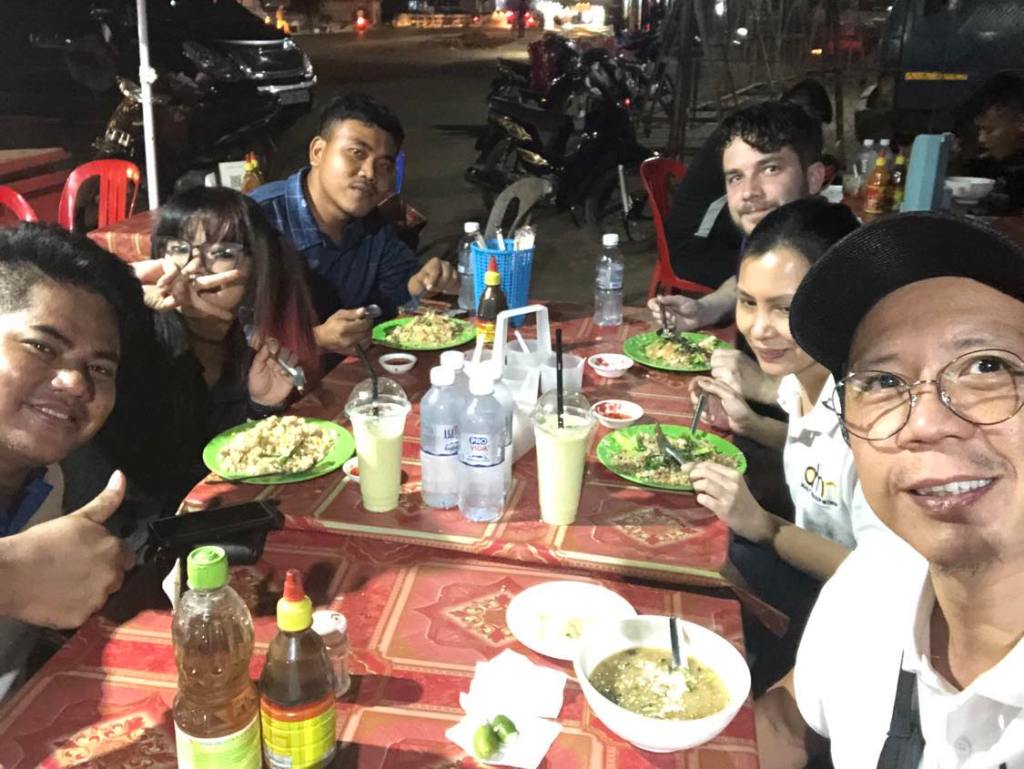
The food, too, was a revelation. Every meal was accompanied by heaps of fresh greens, a delightful bonus for Ben, whose vegan diet often makes travel challenging. From fragrant amok (a creamy Cambodian curry) to the tangy num banh chok (Khmer noodles), we found ourselves savoring every bite, fueled by the generosity of our hosts and the rich flavors of Cambodian cuisine.
Uncovering Migration Stories
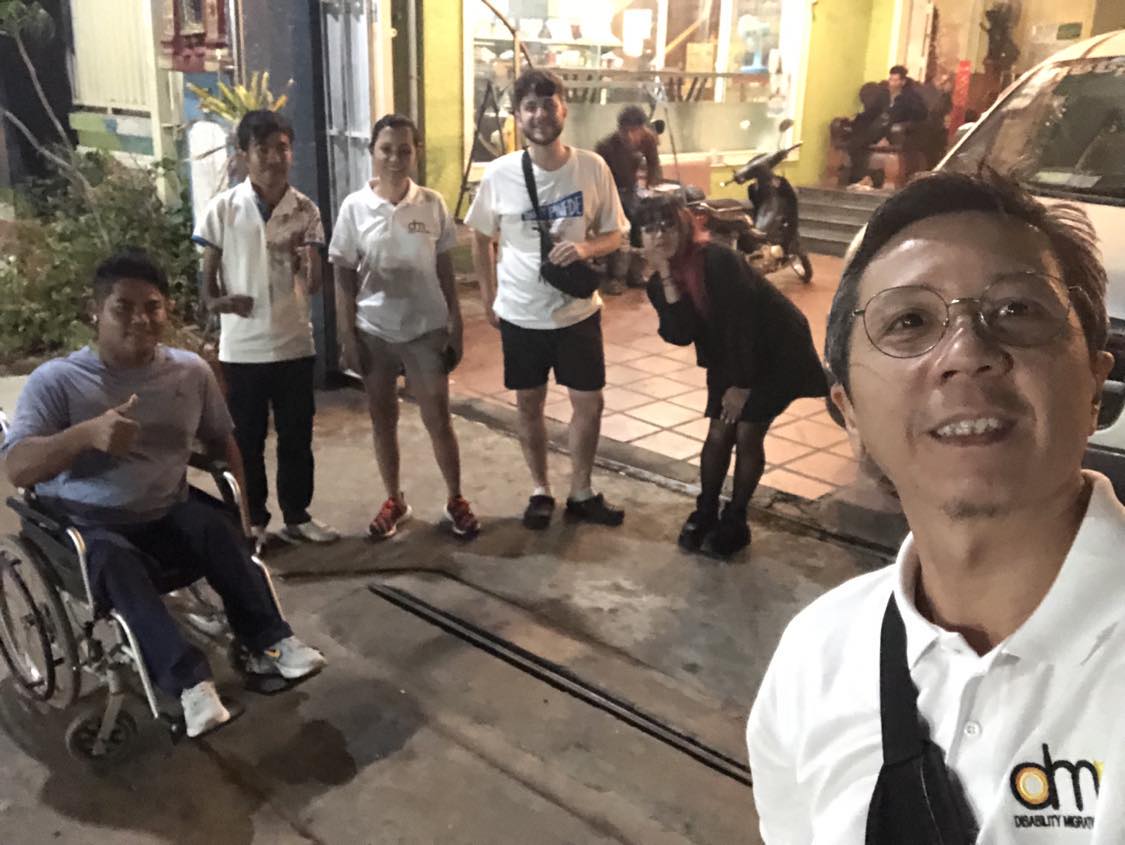
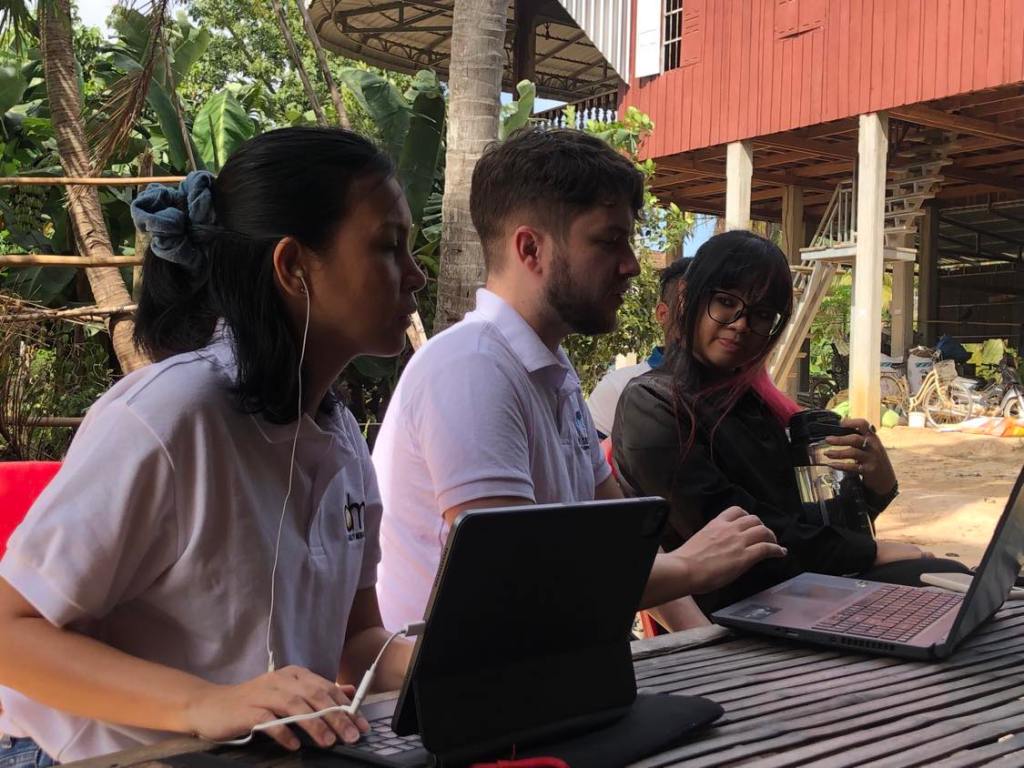
Our work began in Phnom Penh, where we planned our travels to four provinces: Prey Veng, Kampot, Kampong Chhnang, and Battambang. Each destination carried its own rhythm and stories, brought to life by the individuals we met. This was made possible by the tireless support of local partners: Chorn from the Cambodia Disabled People’s Organization (CDPO) and Tola from Legal Service for Women and Children (LSWC). Our interpreter, Sourkea Heng or simply B, was indispensable, ensuring that language never became a barrier in hearing and understanding these deeply personal accounts. We spoke with ten migrants with disabilities, each with a story that highlighted both their courage and the systemic challenges they faced. Many had encountered debt bondage, illegal recruitment, grueling work conditions without rest days, and unpaid wages. While their reasons for migrating varied, a common thread emerged: their pursuit of a better life often left them in the same or worse financial situations, burdened by rights violations and limited support.

One recurring theme in these stories was the lack of choice. Many individuals migrated out of necessity, driven by the lack of opportunities at home. Their return to Cambodia often left them worse off than when they began, burdened by debt and the toll of rights violations. Their experiences highlighted the systemic failures in existing migration policies, which often leave persons with disabilities unprotected and unsupported, perpetuating cycles of hardship.
Learning from Experts
Beyond individual interviews, we held a focus group discussion with experts from CDPO. Their insights were invaluable in exploring how the Global Compact for Migration (GCM) can be operationalized with disability inclusion at its core. From policy gaps to practical strategies, their perspectives painted a clearer picture of what meaningful change could look like.
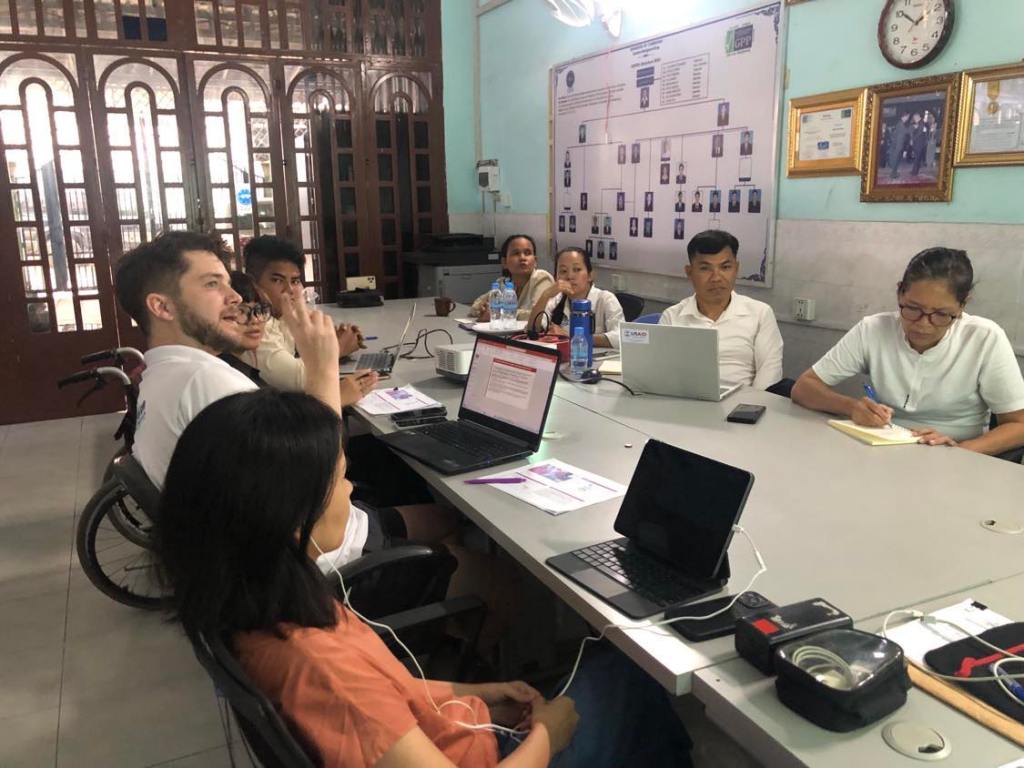
Our conversation with representatives from the Ministry of Labor and Vocational Training (MOLVT) and the Association of Cambodian Recruitment Agencies (ACRA) added another layer of understanding. These discussions emphasized that migration for persons with disabilities is inherently a transnational issue that requires tripartite dialogue. Stakeholders, including governments, employers, and OPDs, expressed enthusiasm to support and promote disability-responsive migration. However, it was clear that achieving this vision requires more robust dialogue with countries of destination, as cross-border collaboration is essential to reinforce the critical role of international frameworks like the GCM in shaping policies that leave no one behind.


Moments Beyond the Research
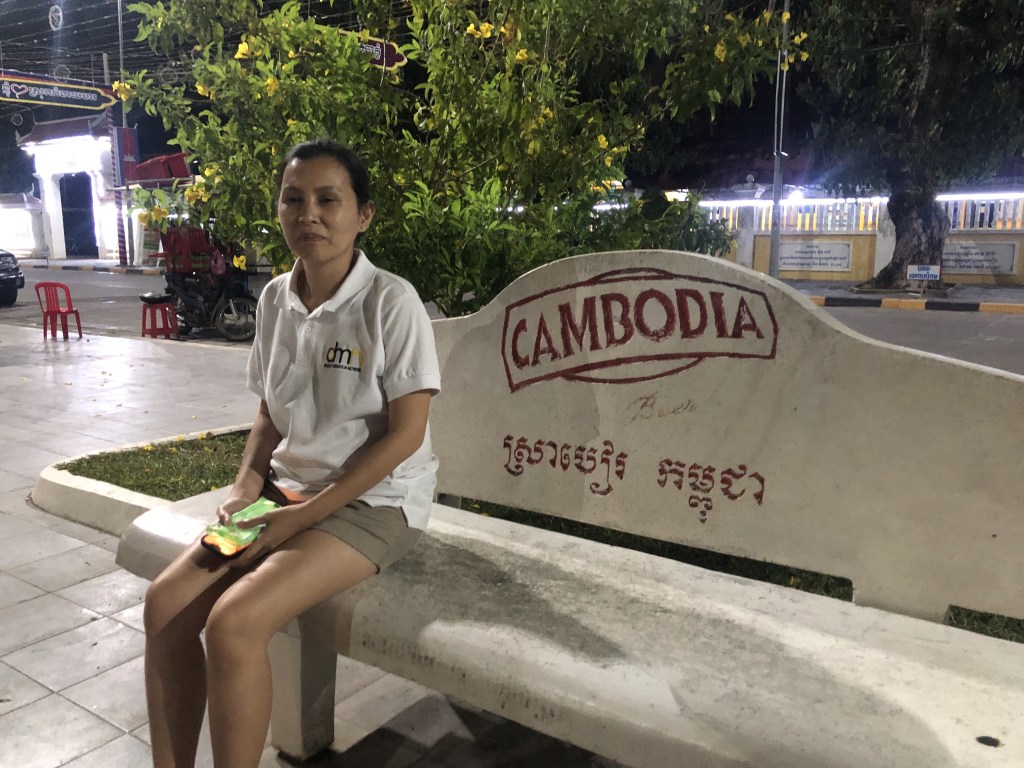
While our mission was centered on research, the cultural immersion that came with it was unforgettable. We spent our free time navigating busy markets and walking around town. These moments brought us closer to the people whose stories we sought to tell. It was a reminder that research is not just about data but about connection—about understanding people within their contexts. And then there was the food. Each province offered its own spin on Cambodia’s culinary staples, but the consistent presence of fresh greens became a comforting constant. Watching Ben’s delight at the vegan-friendly meals was a small joy amidst the seriousness of our work.
Reflections and Looking Ahead
As we left Cambodia, our hearts were full of gratitude for those who shared their stories, admiration for the dedication of CDPO and LSWC, and appreciation for the laughter-filled moments with our interpreter B. These experiences will shape the Disability Migration Network’s recommendations as we advocate for inclusive migration policies across ASEAN. This journey reaffirmed the importance of listening. Lived experiences are powerful; they challenge norms and inspire systemic change. For persons with disabilities, migration should not be a pathway to further marginalization but a stepping stone to opportunity. Our hope is that through this work, we can help build a future where every migrant, regardless of ability, is supported and empowered.
As I reflect on the wide-open spaces of Cambodia, the fresh greens on every plate, and yes, even the feisty farm animals, I am reminded of the courage that connects us all. Whether in the fields of Battambang or the bustling streets of Manila, the drive for a better life is universal. And it is this shared humanity that fuels our work, pushing us to strive for a world that’s not only inclusive but just.

 Disability Migration Network (DMN)
This is great!
LikeLiked by 1 person